If you’re on the lookout for a dish that’s bursting with fresh flavors, vibrant colors, and a wonderful crunch, then you have to try this Spring Veggie Stir-Fry with Ginger over Cauliflower Rice Recipe. It’s the perfect way to celebrate the best of spring produce while keeping things light, wholesome, and downright delicious. With crisp snap peas, tender asparagus, sweet bell peppers, and aromatic ginger all dancing together on a bed of fluffy cauliflower rice, this recipe is a fresh, satisfying meal for any day of the week.
Ingredients You’ll Need
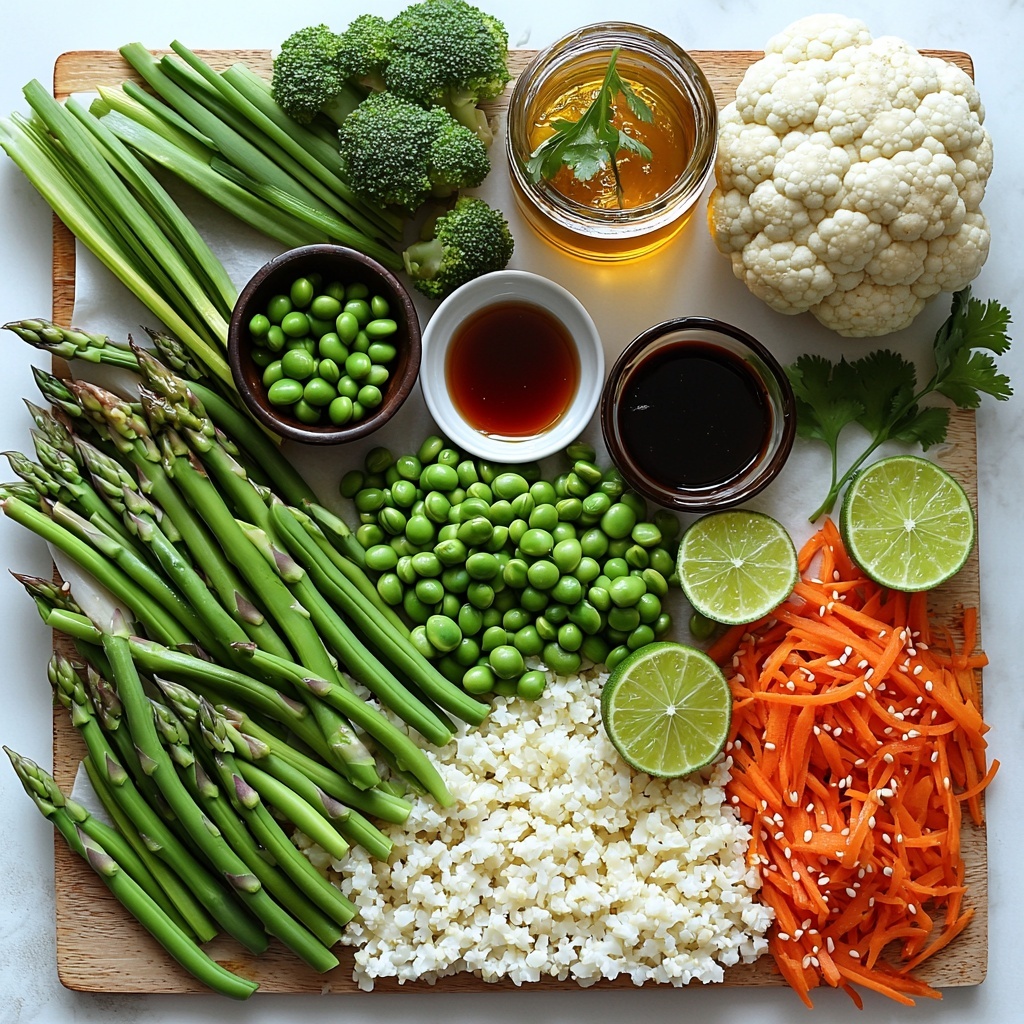
Getting ready to make this stir-fry couldn’t be simpler. The ingredients are straightforward but carefully chosen to create a perfect balance of textures and flavors—each one playing a vital role in making this dish pop with freshness and zing.
- Avocado or sesame oil: These oils add a subtle nuttiness and withstand high heat, perfect for stir-frying your veggies.
- Fresh ginger: Adds a warm, spicy brightness that’s absolutely essential.
- Garlic cloves: Provides aromatic depth and a savory punch.
- Snap peas: Give a crisp sweetness and a beautiful green color boost.
- Asparagus: Adds tender crunch and a lovely earthy note.
- Shredded carrots: Bring vibrant orange color and natural sweetness.
- Red bell pepper: Offers a juicy crunch and bold, sweet flavor.
- Broccoli florets: Make the dish hearty and provide a pleasant bite.
- Green onions: Used fresh for a mild oniony bite and garnish.
- Low-sodium soy sauce (or tamari/coconut aminos): Essential savory base for the sauce.
- Rice vinegar: Adds gentle tang to brighten the sauce.
- Honey or maple syrup: Balances the acidity and salt with a touch of sweetness.
- Toasted sesame oil: A little drizzle introduces a nutty, toasty aroma.
- Cornstarch (optional): Helps thicken the sauce just slightly for better coating.
- Cauliflower: The star of the rice substitute; low-carb and light.
- Olive oil: Used to gently cook the cauliflower rice.
- Salt: Simple seasoning to elevate all the fresh ingredients.
- Optional garnishes: Sesame seeds, fresh cilantro, red pepper flakes, and lime wedges add extra layers of flavor and flair.
How to Make Spring Veggie Stir-Fry with Ginger over Cauliflower Rice Recipe
Step 1: Prepare the Cauliflower Rice
Start by transforming fresh cauliflower into rice-sized granules using a food processor. This simple step lays the perfect low-carb base for your stir-fry. Once riced, gently sauté it in olive oil with a pinch of salt until tender yet still fluffy—avoid overcooking to keep its pleasant bite.
Step 2: Whisk Together the Sauce
In a small bowl, combine the soy sauce, rice vinegar, honey, toasted sesame oil, and optional cornstarch. This mixture will infuse your veggies with sweet, tangy, and deeply savory notes while giving the sauce just a hint of thickness that clings lovingly to every bite.
Step 3: Cook the Stir-Fry Veggies
Heat your choice of oil in a large wok or skillet and sauté freshly grated ginger and minced garlic until fragrant. Adding broccoli and asparagus first lets their firmer textures soften perfectly, followed by snap peas, red bell peppers, and shredded carrots for that crisp finish. The result is a colorful medley that’s tender yet packed with crunch.
Step 4: Add in the Sauce
Pour in the prepared sauce and toss everything together for a minute or two, allowing those vibrant veggies to soak up the flavors and shine with a glossy finish. This step really brings all the ingredients into harmonious balance.
Step 5: Bring it all Together and Serve
Divide the cauliflower rice into bowls and crown each with a generous portion of your spring veggie stir-fry. Garnish with a sprinkle of sesame seeds, fresh cilantro, sliced green onions, or a squeeze of lime to give each serving a bright, fresh final touch.
How to Serve Spring Veggie Stir-Fry with Ginger over Cauliflower Rice Recipe
Garnishes
Don’t underestimate the power of garnishes! Toasted sesame seeds add a nutty crunch, fresh cilantro lifts the dish with herbal brightness, red pepper flakes offer a touch of heat, and lime wedges bring zest and acidity that wakes up every other flavor.
Side Dishes
This dish is delightful on its own but shines even more paired with simple sides like a light cucumber salad or steamed edamame. For added protein, consider grilled tofu, shrimp, or chicken breast. A fried or soft-boiled egg on top can turn it into a satisfying complete meal too.
Creative Ways to Present
Presenting your Spring Veggie Stir-Fry with Ginger over Cauliflower Rice Recipe in colorful bowls or serving it family-style on a large platter with garnishes artfully scattered makes it even more inviting. You can also try layering it inside lettuce cups for a fresh handheld twist.
Make Ahead and Storage
Storing Leftovers
This stir-fry keeps beautifully in an airtight container in the refrigerator for up to 3 days. Keep the cauliflower rice separate for best texture, then reheat together when ready to enjoy.
Freezing
While the veggies are best fresh, you can freeze the cooked cauliflower rice on its own. Place it in a freezer-safe bag and thaw overnight in the fridge before reheating. The stir-fry works better fresh but can be frozen if necessary.
Reheating
Reheat leftovers gently in a skillet over medium heat, adding a splash of water if needed to keep the cauliflower rice moist. Avoid microwaving too long to preserve the veggies’ crisp-tender texture and vibrant colors.
FAQs
Can I substitute other vegetables in this stir-fry?
Absolutely! The beauty of this Spring Veggie Stir-Fry with Ginger over Cauliflower Rice Recipe is its flexibility. Feel free to swap in zucchini, mushrooms, or baby corn depending on what’s fresh and in season.
Is this dish gluten-free?
It can be! Just use gluten-free tamari or coconut aminos instead of regular soy sauce to keep the recipe entirely gluten-free without sacrificing any flavor.
Can I make this recipe vegan?
Yes! The recipe is plant-based as is when you skip the optional honey and replace it with maple syrup. To add protein, grilled tofu or tempeh work beautifully.
What’s the best way to grate fresh ginger?
Using a microplane grater is the easiest way to get finely grated ginger that evenly infuses the stir-fry. It releases more flavor and melds perfectly with garlic.
How do I prevent the cauliflower rice from becoming mushy?
Cook cauliflower rice just until tender, about 5-7 minutes, stirring occasionally. Avoid overcooking and adding too much oil or water to keep it light and fluffy.
Final Thoughts
There’s something truly refreshing about whipping up this Spring Veggie Stir-Fry with Ginger over Cauliflower Rice Recipe—it’s a celebration of fresh spring produce cooked simply yet thoughtfully. Whether you’re cooking for busy weeknights or sharing with friends, this vibrant dish brings warmth, crunch, and a delightful flavor punch every time. Trust me, once you try it, it’ll become one of your go-to recipes for fresh, feel-good meals.
Print
Spring Veggie Stir-Fry with Ginger over Cauliflower Rice Recipe
- Prep Time: 10 minutes
- Cook Time: 15 minutes
- Total Time: 25 minutes
- Yield: 4 servings
- Category: Main Course
- Method: Stovetop
- Cuisine: Asian-inspired
- Diet: Low Calorie
Description
This vibrant Spring Veggie Stir-Fry with Ginger is a light and fresh dish featuring crisp seasonal vegetables, sautéed with aromatic ginger and garlic, and tossed in a flavorful, slightly tangy sauce. Served over healthy cauliflower rice, it makes a perfect low-carb, nutritious meal that’s ready in just 25 minutes.
Ingredients
For the Stir-Fry
- 1 tbsp avocado oil or sesame oil
- 1 tbsp fresh ginger, finely grated
- 2 cloves garlic, minced
- 1 cup snap peas, trimmed
- 1 cup asparagus, cut into 1-inch pieces
- 1 cup shredded carrots
- 1 red bell pepper, thinly sliced
- 1 cup broccoli florets
- 2 green onions, sliced
For the Sauce
- 3 tbsp low-sodium soy sauce (or tamari/coconut aminos)
- 1 tbsp rice vinegar
- 1 tsp honey or maple syrup
- 1 tsp toasted sesame oil
- Optional: ½ tsp cornstarch (for slightly thicker sauce)
For the Cauliflower Rice
- 1 large head cauliflower (or 4 cups pre-riced)
- 1 tsp olive oil
- Pinch of salt
Optional Garnishes
- Sesame seeds
- Fresh cilantro
- Red pepper flakes
- Lime wedges
Instructions
- Prepare the Cauliflower Rice: Pulse cauliflower florets in a food processor until they resemble rice grains. Heat olive oil in a large skillet over medium heat, add the cauliflower rice and a pinch of salt, and cook for 5–7 minutes, stirring occasionally until tender but still firm. Set aside and keep warm.
- Make the Sauce: In a small bowl, whisk together the low-sodium soy sauce, rice vinegar, honey or maple syrup, toasted sesame oil, and cornstarch if using. Set aside.
- Cook the Stir-Fry: Heat avocado or sesame oil in a large wok or skillet over medium-high heat. Add grated ginger and minced garlic, sauté for about 30 seconds until fragrant. Add broccoli florets and asparagus pieces first, cooking for 2–3 minutes as they take longer to soften. Then add snap peas, sliced red bell pepper, and shredded carrots. Stir-fry all vegetables together for another 3–4 minutes until crisp-tender and vibrant in color.
- Add Sauce: Pour the prepared sauce over the vegetables. Toss everything together and cook for 1–2 minutes until the sauce thickens slightly and coats the vegetables with a glossy sheen.
- Serve: Spoon the warm cauliflower rice into bowls. Top with the stir-fried vegetables. Garnish with sesame seeds, sliced green onions, fresh cilantro, red pepper flakes, or a squeeze of fresh lime, as desired.
Notes
- For a heartier meal, add grilled tofu, shrimp, chicken breast, or top with a fried or soft-boiled egg.
- You can substitute the cauliflower rice with regular rice or quinoa if preferred.
- Use tamari or coconut aminos instead of soy sauce for a gluten-free option.
- If you want an oil-free version, sauté the vegetables in a little vegetable broth.
- The optional cornstarch thickens the sauce; omit if you prefer a lighter sauce.